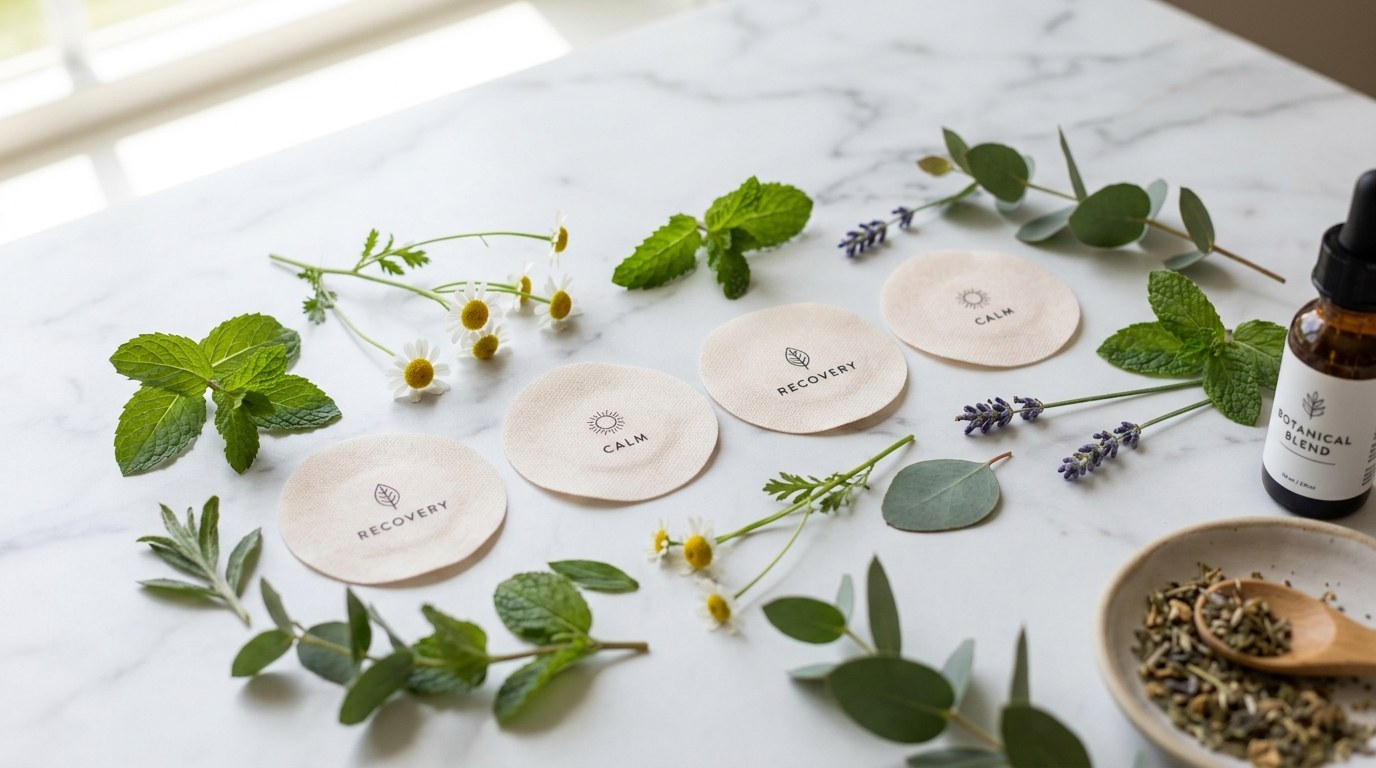
An Australian brand building a collection of transdermal wellness patches. We examined the ingredients, assessed the delivery format, and looked at who may find the approach genuinely useful.
Transdermal delivery has been a well-established route for pharmaceutical compounds for decades. Nicotine patches, hormone replacement patches, and pain relief patches have demonstrated that the skin is a viable pathway for bioactive compounds — and that topical application can, in the right formulation, offer practical advantages over oral ingestion. What is newer is the application of this delivery format to botanical wellness ingredients, and that is exactly what Kind Patches, an Australian brand, has been building toward.
Their collection spans energy, sleep, metabolic support, stress, and women's hormonal wellness — all delivered via single-use adhesive patches worn for up to eight hours. The lead product in their lineup, the Berberine Patches, draws on one of the most extensively researched botanical compounds available. I spent time with the ingredient research and the brand's full collection to give an honest, grounded assessment of what you are actually getting.
Kind Patches is an Australian wellness brand that describes itself as focused on "revolutionizing the way you take care of yourself" through topical patch delivery. Their collection currently spans over twenty distinct patch formulas covering energy, focus, sleep, stress, metabolic support, and women's wellness, including patches specifically formulated for hormonal cycle support and midlife wellness.
The brand does not claim pharmaceutical equivalence for any of its patches and presents them as wellness supplements. Patches are single-use, designed to be worn on clean, hair-free skin for up to eight hours. The format is convenient by design: no capsules to swallow, no powder to mix, and no meal timing to consider for absorption (though this does depend on the specific compound).
A 30-patch pack retails for approximately $15 USD, making a month's supply accessible relative to comparable capsule supplements. A subscribe-and-save option reduces that further. The brand also runs promotional bundle pricing across its collection.
The basic mechanism of transdermal delivery involves botanical or nutritional compounds embedded in an adhesive matrix. When the patch is applied to skin, compounds in the matrix gradually transfer into the epidermis and, to varying degrees, the bloodstream through capillary absorption. The skin acts as both a barrier and a conduit, with different compounds crossing it at different rates depending on their molecular size, lipophilicity, and the formulation technology used.
The relevant consideration for a wellness patch is that many botanical extracts have challenging oral bioavailability profiles. Berberine, for instance, is notable for poor gastrointestinal absorption when taken orally (estimates in the published literature range from approximately 5 to 15 percent). Transdermal delivery bypasses first-pass hepatic metabolism and the gastrointestinal absorption limitations that affect oral berberine, which is the theoretical basis for using this format.
I say "theoretical" because peer-reviewed clinical studies specifically evaluating transdermal berberine absorption are limited — this is a newer application of an established delivery format. The ingredient research for berberine itself is strong; the transdermal-specific delivery data is less developed. That distinction is worth understanding before evaluating the product.
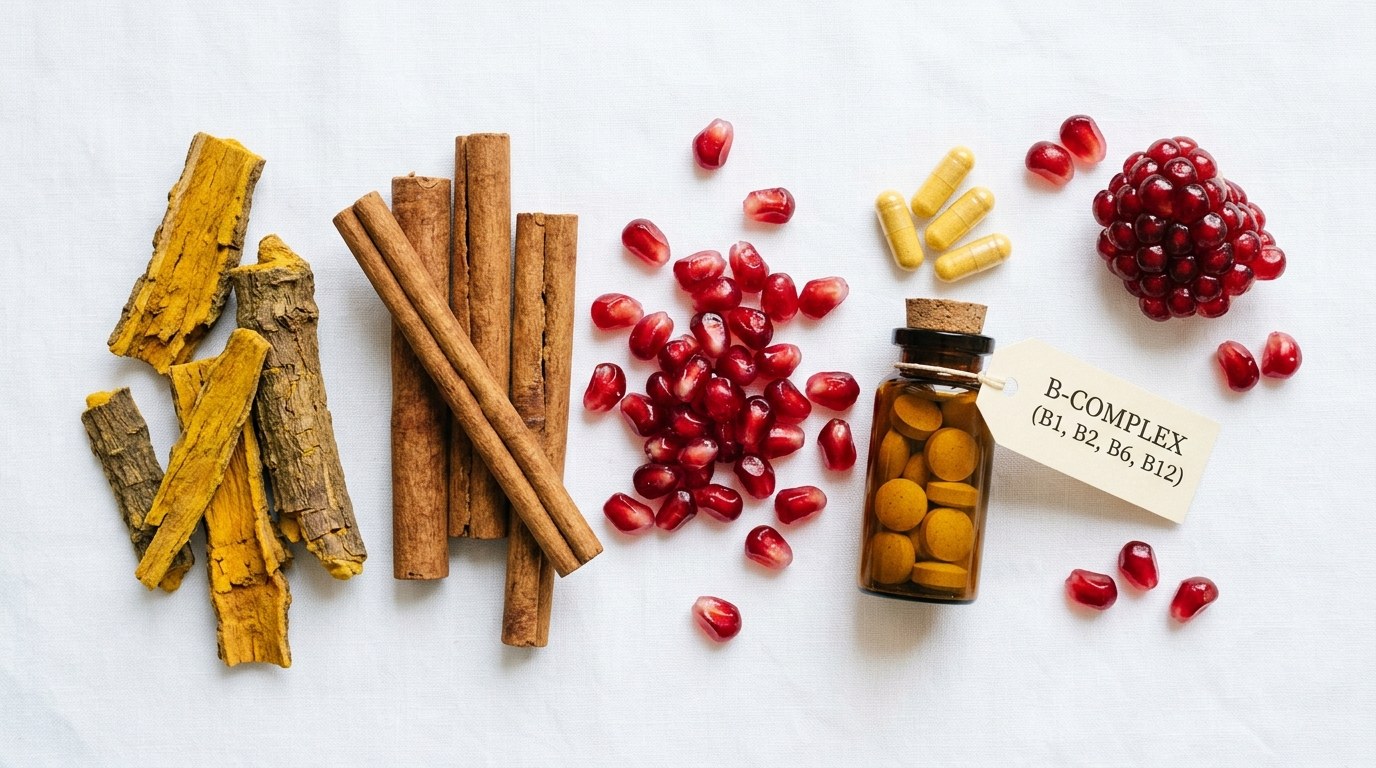
The Berberine Patches are the brand's most prominent product and the one with the most research-supported ingredient rationale. Each patch contains six active compounds. Here is what the published research says about each:
An alkaloid found in several botanical species including barberry and goldenseal. One of the most studied natural compounds for blood sugar balance and gut microbiome modulation. Multiple clinical trials support its role in supporting healthy glucose metabolism and insulin function. The dose per patch is modest relative to oral supplement doses, which are typically 500mg three times daily — though transdermal absorption bypasses first-pass metabolism, making direct dose comparisons complicated.
Derived from Cinnamomum cassia or verum bark. Contains cinnamaldehydes and proanthocyanidins studied for blood sugar support mechanisms, including effects on insulin receptor signaling. Used in Ayurvedic and traditional Chinese wellness practices for metabolic support. Published research includes a number of clinical trials on post-meal blood sugar balance.
A rich source of ellagic acid and punicalagins — polyphenol antioxidants with documented effects on oxidative stress markers. Pomegranate extract has been studied for cardiovascular wellness support and antioxidant activity. Provides complementary antioxidant support within the berberine formula context.
The full B-vitamin spectrum supports energy-producing metabolic pathways. B vitamins are cofactors in carbohydrate metabolism, mitochondrial energy production, and neurotransmitter synthesis. B12 in particular is frequently deficient in women over 50 due to declining gastric acid and intrinsic factor production — making supplementation in any format relevant for this demographic.
An amino acid with a well-documented role in gut lining integrity. Glutamine is the primary energy substrate for intestinal epithelial cells and supports the tight junction proteins that maintain gut barrier function. In the context of berberine's microbiome-modulating activity, including a gut-supportive amino acid has genuine logical coherence.
A trace mineral studied in the context of insulin sensitivity and glucose tolerance. Clinical research on chromium supplementation supports a modest role in blood sugar regulation, particularly in the context of suboptimal dietary intake, which is not uncommon. The dose here aligns with standard supplemental chromium amounts.
The ingredient combination has a coherent internal logic: berberine and cinnamon both target blood sugar metabolism through complementary mechanisms, chromium supports insulin function, B vitamins support the metabolic pathways within which all of these compounds operate, L-glutamine supports the gut environment that berberine modulates, and pomegranate adds antioxidant support. Whether this combination is optimally calibrated for transdermal delivery is a question the research has not yet fully answered, but the ingredient rationale is sound.
Beyond the Berberine Patches, the Kind Patches collection includes several products particularly relevant to women in midlife. The Mood+ Patches (formerly Dopamine patches) are formulated for emotional balance and daily mood support. The Stress Down Patches address cortisol-adjacent wellness with a calming botanical approach. The Menopause Patches and related hormonal wellness products address the specific needs of women navigating perimenopause and beyond — an area where convenient supplementation formats can be especially useful given the multiple daily supplements many women in this category are already managing.
The Sleep patches — which include formulas built around Magnesium, Valerian Root, and Melatonin variants — address sleep quality from different angles, allowing some degree of personalization depending on whether the sleep difficulty is primarily related to falling asleep, staying asleep, or sleep quality.
The collection-wide format consistency is a genuine convenience strength: one format, many formulas, no capsule management. For women who are already navigating multiple wellness supplements and find the capsule routine cumbersome, the patch format removes one layer of friction from the daily routine.
User feedback across the product's review profiles reflects some consistent themes. For the Berberine Patches specifically, reviewers who report the most meaningful results consistently cite improvements in energy throughout the day and a greater sense of dietary ease — finding that cravings for quick-energy foods became less demanding over time. The timeline in consistent reviews is typically two to four weeks rather than immediate, which aligns with how berberine's metabolic mechanisms operate.
Some reviewers mention skin sensitivity at the application site, which is a real consideration with any adhesive patch. Most report this as mild and manageable by rotating the application site daily. A small number report no noticeable effect, which is consistent with the individual variability pattern seen across most botanical supplementation categories.
"The thing I notice most is that my afternoons feel more steady. I stopped reaching for something sweet around 3 pm within about two weeks of consistent use."
For the Sleep and Stress formulas, reviewers note the convenience of not needing to time capsule intake relative to meals, which is a practical advantage particularly for magnesium-based formulations where dosing timing relative to food matters for some people.
Based on the research and the consistent user experience pattern, Kind Patches seems most suited to women who:
It is worth noting that for women on blood sugar medications, berberine has documented interactions with glucose-lowering drugs and should not be added to a supplement routine without healthcare provider guidance. The same applies to women on hormonal medications who are considering the Menopause or hormonal wellness patches, where botanical hormonal support compounds may interact with prescribed therapies.
Kind Patches occupies a genuinely interesting space in the wellness supplement market. The transdermal format is not merely a novelty — it has a legitimate theoretical rationale, particularly for compounds like berberine where oral bioavailability is challenging. The ingredient selection in the Berberine Patches is well-considered, with complementary components addressing blood sugar metabolism, gut support, and energy pathways together.
The honest caveat is that the specific clinical evidence for transdermal berberine delivery is still limited. What is well-established is the ingredient research; what is newer is this particular delivery application. For someone who has found oral berberine difficult on their digestive system (a common experience, given berberine's microbiome-modulating effects), or who simply prefers not to manage capsule intake, the patch format is a practical alternative worth trying.
The broader collection — Sleep, Stress, Mood, and Menopause patches — provides genuine utility for women who want to address multiple wellness priorities through a single convenient format. Applied consistently with realistic expectations about timeline and mechanism, it is a well-designed, accessible entry point into daily botanical wellness support.
Current pricing, bundle options, and the full product range are available on the Kind Patches website. Individual patches start from $12.75 with subscribe-and-save, and bundle pricing is available across collections.
Browse the Full Collection →Results vary. Consult your healthcare provider before starting any supplement, particularly if you take prescription medications or manage blood sugar conditions.